WEGOINGIN — The hotspot for entertainment, sports, professional services, AI animation, web design, app development, and breaking news in
Hip Hop, Dancehall, Afro Beats, Drum & Bass, Afro House, and urban culture.

Uganda’s Permanent Strongman Turns the State on Its Own People
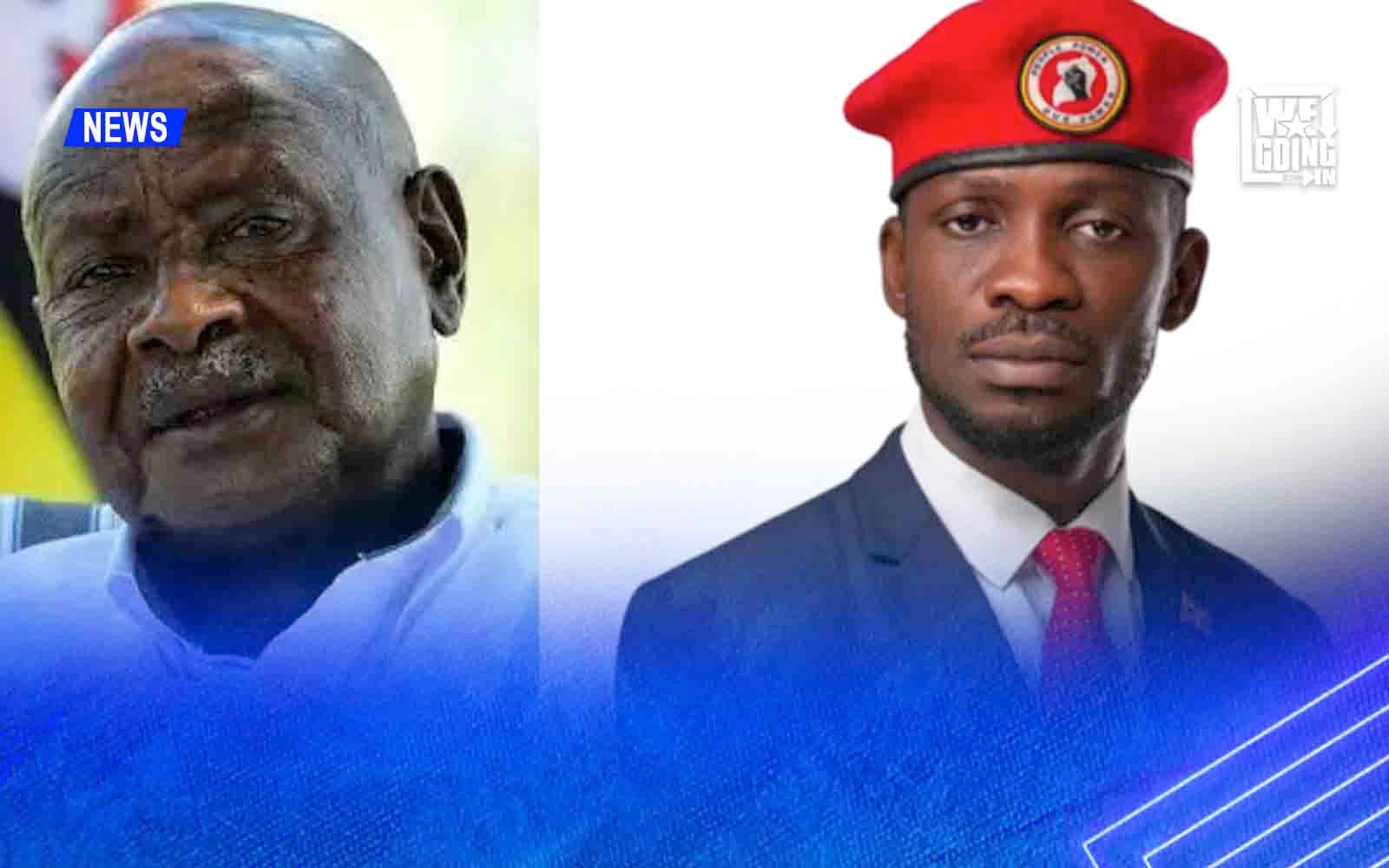
Human rights organisations, opposition officials, and eyewitnesses describe a widening campaign of repression marked by arbitrary arrests, beatings, intimidation, and violent dispersal of opposition activity. Reports from activists and victims allege that security officers have assaulted, tortured, and sexually abused both women and men during operations targeting opposition supporters—claims the government has repeatedly denied but which continue to surface across the country.
Uganda’s security forces have been accused of using tear gas, live ammunition, and mass arrests to
suppress political dissent, particularly in the aftermath of recent
elections. Opposition members say the violence has continued long after
ballots were cast, raising questions about why a government that claims
an electoral mandate continues to rule through fear.
Bobi Wine, a former pop star turned lawmaker, has become the most visible symbol of resistance to Museveni’s rule. His home has previously been surrounded by police and military personnel, according to NUP officials, in what they describe as an attempted illegal detention. Wine himself has said security forces tried to seize him without warrant, an effort he says he narrowly avoided.
Museveni, now in power for nearly four decades,
has ruled Uganda since 1986. Over the years, constitutional term limits
were removed, the age cap for presidential candidates was scrapped, and
state institutions were reshaped in ways critics say have entrenched
one-man rule. Opposition figures argue that the electoral system has
been systematically manipulated, leaving voters with little real choice.
Despite
the government declaring victory in the most recent election,
opposition leaders and international observers raised concerns about vote rigging, media shutdowns, internet blackouts, and military interference. Yet even after securing another term, Museveni’s administration appears unwilling to tolerate dissent.
From London to Jamaica, USA, Canada, Born citizens and members of the Ugandan diaspora say they are watching events unfold with alarm. Activists abroad describe a government that no longer even attempts to hide its abuses, instead relying on brute force to silence critics while projecting stability to international partners.
“This
is no longer about elections,” said one diaspora organiser. “It’s about
power—absolute power—and the willingness to destroy lives to keep it.”
The Ugandan government maintains that its actions are necessary to preserve law and order and accuses the opposition of inciting violence. But critics argue that the scale and brutality of the response point to a deeper truth: a regime unwilling to imagine a future without its founder at the helm.
As pressure mounts at home and scrutiny grows abroad, one conclusion is becoming harder to avoid. To his opponents, Museveni is no longer a liberator turned leader, but a power-hungry ruler clinging to office at any cost, even if that cost is paid by the very people he claims to govern.
By Xavier Powell.
Sunday, January 18, 2026
Categories
New Heat
Privacy Policy © wegoingin Limited. All rights reserved 2026